How to Open a Coffee Shop: Costs, Steps, What to Expect
By Coffee Studies Editorial·Published July 18, 2026·7 min read
Quick answer
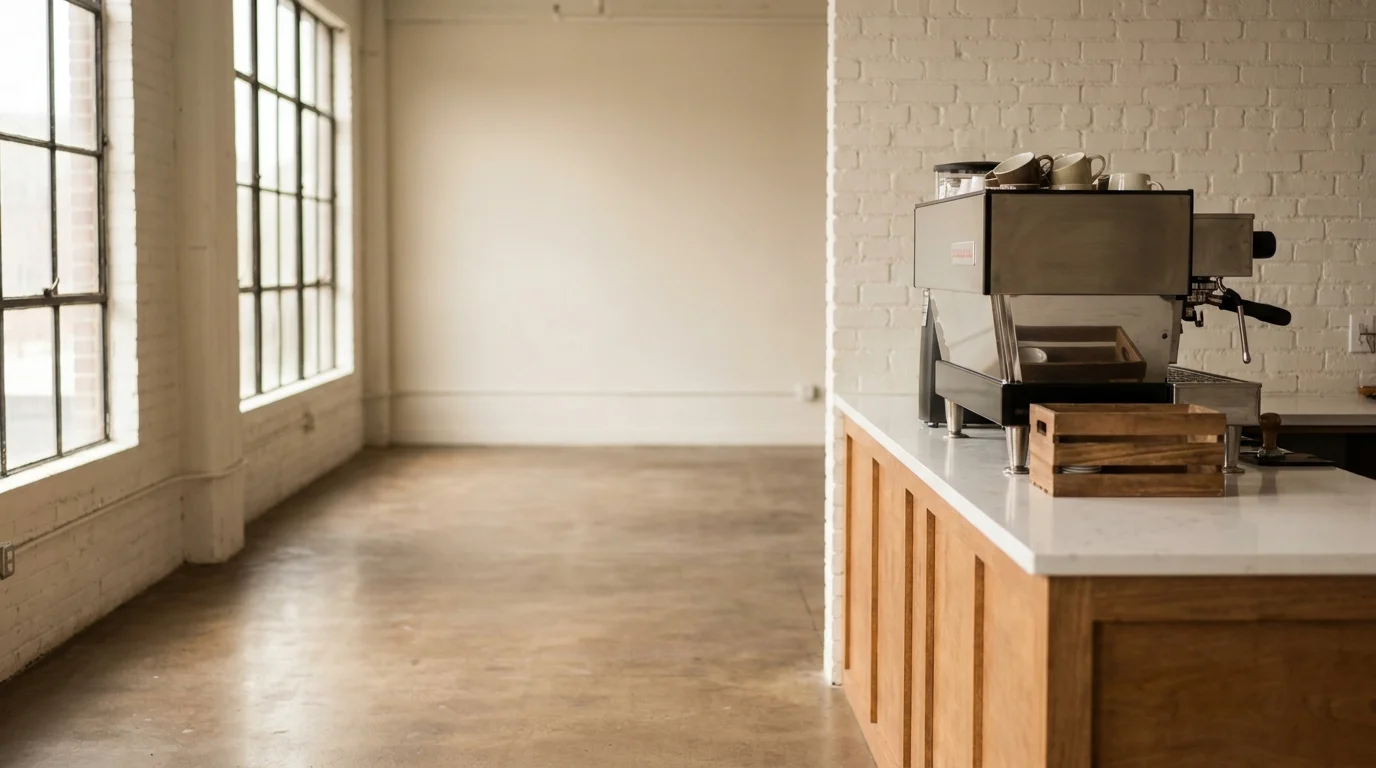
Opening a coffee shop is one of the most common small business ambitions and one of the most consistently underestimated. The appeal is obvious — coffee has high margins, people come in regularly, and the business is tangible. The difficulty is also obvious once you've priced out a lease, equipment, and staffing simultaneously. The numbers are large and they all hit before you sell a single cup.
This is what it actually takes.
$80k–$300k
typical startup cost for a small independent coffee shop — the range reflects location size, lease terms, and whether equipment is new or used; a micro-café can open cheaper, a full-service shop can run higher[1]
12–36 months to profit
most independent coffee shops take one to three years to reach consistent profitability — the first year is typically spent building the customer base and paying down opening debt[3]
~65% of revenue goes to labour + COGS
in a typical coffee shop, labour (35–40%) and cost of goods sold (25–30%) together consume most of revenue before rent and overhead; managing these two costs is the core operational challenge[4]
The business model
A coffee shop makes money by selling beverages and food at a high markup over ingredient cost. An espresso drink that costs $0.80–$1.20 in ingredient cost sells for $4.50–$7.00. A drip coffee that costs $0.30–$0.50 sells for $2.50–$4.00. The gross margin on individual beverages is 70–80%[1].
What makes the business harder than these margins suggest is the fixed cost structure. Rent, staff wages, and loan payments are due whether you serve 50 customers or 300. A coffee shop that is profitable at 200 customers per day may lose money at 120 customers per day — the revenue drops but the fixed costs do not. Getting customer volume to the break-even point, and holding it there, is the operational challenge.
A realistic back-of-napkin model for a small café:
- Revenue at 150 customers/day, $7 average ticket: $31,500/month
- COGS (30%): $9,450
- Labour (38%): $11,970
- Rent (12%): $3,780
- Overhead (10%): $3,150
- Net before debt service: $3,150/month (~10%)
- After loan payment ($2,000/month on $80k debt): $1,150/month
At 100 customers/day, the same shop is likely losing money. That customer count sensitivity is why location matters so much.
Startup cost breakdown
Figure
Typical coffee shop startup costs — small to mid-sized café
Values in CAD (approximate)
The two most variable costs
Leasehold improvements vary more than any other line. If you take over a space that was previously a café, the plumbing, electrical, exhaust ventilation, and counter layout may already be suitable — your buildout cost drops from $80,000+ to $20,000–$40,000. An empty shell or a retail space requires running water lines, a commercial sink, exhaust for equipment, and often three-phase electrical. Always get contractor quotes before signing a lease.
Equipment — new vs used. A two-group commercial espresso machine runs $10,000–$25,000 new from reputable manufacturers (La Marzocco, Nuova Simonelli, Rancilio, etc.). A comparable used machine from a closed café can be $3,000–$8,000. The tradeoff is unknown service history and potentially expensive repairs. Many successful independent cafés open on used equipment; many operators budget new equipment to avoid early operational surprises.
Equipment: the core list
The equipment line for a small independent cafe usually runs $20,000–$60,000 new, and the espresso machine and grinders are typically half of it:
- Espresso machine, two-group: $8,000–$25,000 new (how to size it)
- Espresso grinders, two: $1,200–$3,000 each
- Batch brewer: $1,500–$4,000
- Under-counter refrigeration: $2,000–$5,000
- POS, card terminal and peripherals: $1,500–$4,500
- Smallwares, cups and cleaning: $2,000–$5,000
Used equipment from a cafe closure or restaurant liquidator commonly cuts that line by 40–60%, which is the largest controllable saving available to a first-time owner.
Two things decide this list before budget does, and both get discovered late: what your electrical panel will actually carry, and what your water will do to a boiler. The full station-by-station list, the split between what needs a dealer and what you simply buy, and where used is sensible against where it is a false economy, are set out in the coffee shop equipment list.
Licensing and permits
The permit process is slower than most people expect. Start early — some permits require inspections that cannot be scheduled until construction is complete.
Typical Canadian requirements:
- Business licence (from municipality): straightforward, $100–$500
- Food service establishment permit (from provincial public health authority — requires inspection of the premises before opening): $300–$800, inspection scheduling takes two to six weeks
- Food handler certification: required for at least one person on premises; in most provinces, all food handlers need it (the 18,100 monthly searches for "food handler certificate" in Canada confirms this is where most people start)
- Building permit for renovations: required for structural, electrical, or plumbing changes
- Occupancy permit: confirming the buildout meets the approved plan and safety codes
- Signage permit: exterior signs often require municipal approval
Budget two to four months for the full permitting process running concurrently with your buildout[2].
Staffing
A small café (150–200 customers/day) typically needs:
- 2–3 baristas for morning rush (typically 7–10 AM generates 50–60% of daily revenue)
- 1–2 baristas for midday
- Possibly 1 part-time for afternoon
In terms of FTEs: most small cafés open with 4–6 employees total including owner-operator. Labour cost target is 35–40% of revenue. At $20/hour (Ontario minimum wage plus some experienced staff at higher rates), 4 FTE employees costs approximately $11,000–$13,000 per month before payroll taxes and benefits.
If the owner works the bar (common in owner-operated shops), their labour is not counted as an expense — but it represents real work that someone would need to be paid for if they left.
The business plan
You need a business plan if you are borrowing money. Even without a loan, you need the financial model.
The model has three purposes:
- Prove the location works — can this specific space, at this rent, at realistic customer volumes, generate profit?
- Quantify cash need — how many months of operating losses can you fund before reaching break-even?
- Pressure-test assumptions — what happens if foot traffic is 30% lower than projected in month three?
The core projection: estimate customers per day by format (morning rush, midday, afternoon), average ticket, revenue, and costs. Model the break-even customer count. If you need 250 customers per day to break even and the location historically supported 150, you either need to build traffic aggressively or the unit economics don't work[4].
Timeline
A realistic timeline for a first-time owner:
| Phase | Duration | Key activities |
|---|---|---|
| Research and concept | 1–3 months | Market research, concept definition, financial modelling |
| Location search | 2–4 months | Real estate broker, LOI, lease negotiation |
| Design and permits | 2–3 months | Architect/designer, permit submissions |
| Construction | 6–12 weeks | Buildout, equipment delivery and installation |
| Pre-opening | 2–4 weeks | Staff hiring and training, soft opening, supplier setup |
| Total | ~9–18 months | From decision to door open |
Operators who take over an existing café space (or an existing café business) compress the timeline significantly — sometimes to three to six months.
Common mistakes
- Signing a lease before modelling the unit economics. A beautiful space at rent that requires 300 customers per day to cover costs is a problem from day one.
- Underestimating the buildout timeline and cost. Contractors are busy; permits take longer than expected; unforeseen issues in walls and ceilings are common. Add 30% to your buildout timeline and 20% to your cost estimate.
- Opening without working capital. Many shops open with enough to launch but not enough to sustain two to three months of below-break-even operations while building the customer base.
- Buying the most expensive equipment at launch. A used commercial espresso machine makes the same espresso. Undercapitalising on working capital to overcapitalise on equipment is a common error.
- Underestimating the training requirement. A trained barista needs six to eight weeks to get fast and consistent. If you open with undertrained staff, early customer experiences suffer and your best chance at building loyalty — the first weeks — is wasted[3].
From someone who runs shops
 Running a cafe, from an operatorWhat I Know About Running Coffee ShopsWritten by someone who runs shops rather than consults about them, and more honest about margin, staffing and the unglamorous parts than most books in the category. Read it alongside the numbers rather than instead of them.amazon.com $39.99 USDamazon.ca $46.66 CADPrice and availability as of View on Amazon
Product prices and availability are accurate as of the date/time indicated and are subject to change. Any price and availability information displayed on Amazon at the time of purchase will apply to the purchase of this product. Certain content that appears on this site comes from Amazon. This content is provided ‘as is’ and is subject to change or removal at any time.
The honest summary
Opening a coffee shop costs $80,000–$300,000 and takes six to eighteen months from decision to door open. The primary costs are leasehold improvements, espresso equipment, and working capital. The business model works on high beverage margins (70–80% on espresso drinks) but is sensitive to fixed costs — rent and labour together typically represent 45–55% of revenue, leaving little margin for slow customer periods. Most successful independent coffee shops take twelve to thirty-six months to reach consistent profitability. The variables most within your control: lease negotiation, equipment costs (new vs used), and how well you model whether a specific location can support the customer volume required to cover its fixed costs.
Frequently asked questions
- How much does it cost to open a coffee shop?
- A small independent coffee shop typically costs $80,000–$300,000 to open. The range reflects location, size, and whether equipment is bought new or used. A micro-café (under 500 sq ft, minimal seating) can open for $50,000–$100,000. A mid-sized café (1,000–1,500 sq ft) with full espresso bar and some seating typically runs $150,000–$250,000. A larger full-service café can reach $300,000–$500,000+. The biggest variables are leasehold improvements (what the previous tenant left behind) and whether you buy or lease equipment.
- How long does it take to open a coffee shop?
- Six to eighteen months is the typical range from decision to first day of service. Securing a lease and completing permitting takes longer than most first-time owners expect. Buildout takes four to twelve weeks after permits are pulled. If you're ordering custom equipment, lead times of eight to sixteen weeks are common. Budget at least twelve months for a first-time owner doing everything from scratch.
- How much do coffee shops make?
- A small independent coffee shop with 150–250 customers per day at an average ticket of $6–$8 generates roughly $25,000–$50,000 per month in revenue. After labour (35–40% of revenue), COGS (28–35%), rent (8–15%), and overhead (10–15%), a healthy shop nets 3–8% — typically $900–$4,000 per month. Many shops in the first year operate closer to break-even while building a customer base.
- Do you need a business plan to open a coffee shop?
- A business plan is required if you're seeking a small business loan (SBA, bank, or other lender). Even without external financing, a business plan forces you to model the numbers — revenue at different customer counts, break-even point, cash flow for the first year — before you spend money. Many coffee shops that fail do so because the owner never modelled whether the location could generate enough revenue to cover fixed costs at realistic customer volumes.
- What licences do you need to open a coffee shop?
- Requirements vary by jurisdiction, but typically include: a business licence, a food handler's permit or food service establishment permit (for the premises), food handling certifications for staff (in many provinces/states), a sign permit, and occupancy approval from the building department after buildout. In Canada, provincial food premises regulations govern inspections. Some municipalities require additional permits for outdoor seating or sandwich boards. Budget $2,000–$8,000 and two to four months for licensing.
- What equipment does a coffee shop need?
- The core list: commercial espresso machine ($8,000–$25,000 new for a two-group machine), espresso grinders ($1,000–$3,000 each — you typically need two, one per bean), batch brewer for drip coffee ($1,500–$4,000), refrigeration (under-counter reach-in for milk: $2,000–$5,000), commercial blender if doing frozen drinks, point-of-sale system, and smallwares (pitchers, tampers, cups, scales). Used equipment from a closed café can cut equipment costs by 40–60%.
References
Every factual claim in this article is drawn from the sources below. See the source library for how we grade evidence.
- [1]Coffee & Snack Shops — US Industry Report (IBISWorld, NAICS 722515)IBISWorld · 2024 · Industry report · Tier 3 · Contextual
- [2]National Coffee Data Trends 2024National Coffee Association (NCA) · 2024 · Industry survey · Tier 3 · Contextual
- [3]Small Business Facts: Survival RatesU.S. Small Business Administration Office of Advocacy · 2023 · Government data · Tier 3 · Contextual
- [4]2024 Restaurant Trends ReportToast, Inc. · 2024 · Industry report · Tier 3 · Contextual
Related reading
- Coffee BusinessCoffee Shop Franchise vs. Independent: Cost and Trade-offs→
- Coffee BusinessCoffee Shop Profit Margin: What the Numbers Show→
- Coffee BusinessMobile Coffee Cart: Costs, Formats, and What to Expect→
- Coffee BusinessHow to Start a Coffee Roastery→
- Coffee BusinessCoffee Shop Equipment List: What You Need, and What You Don't→
- Coffee BusinessChoosing an Espresso Machine for a Small Coffee Shop→