Protein Coffee: How to Add Protein to Your Cup
By Coffee Studies Editorial·Published July 16, 2026·9 min read
Quick answer
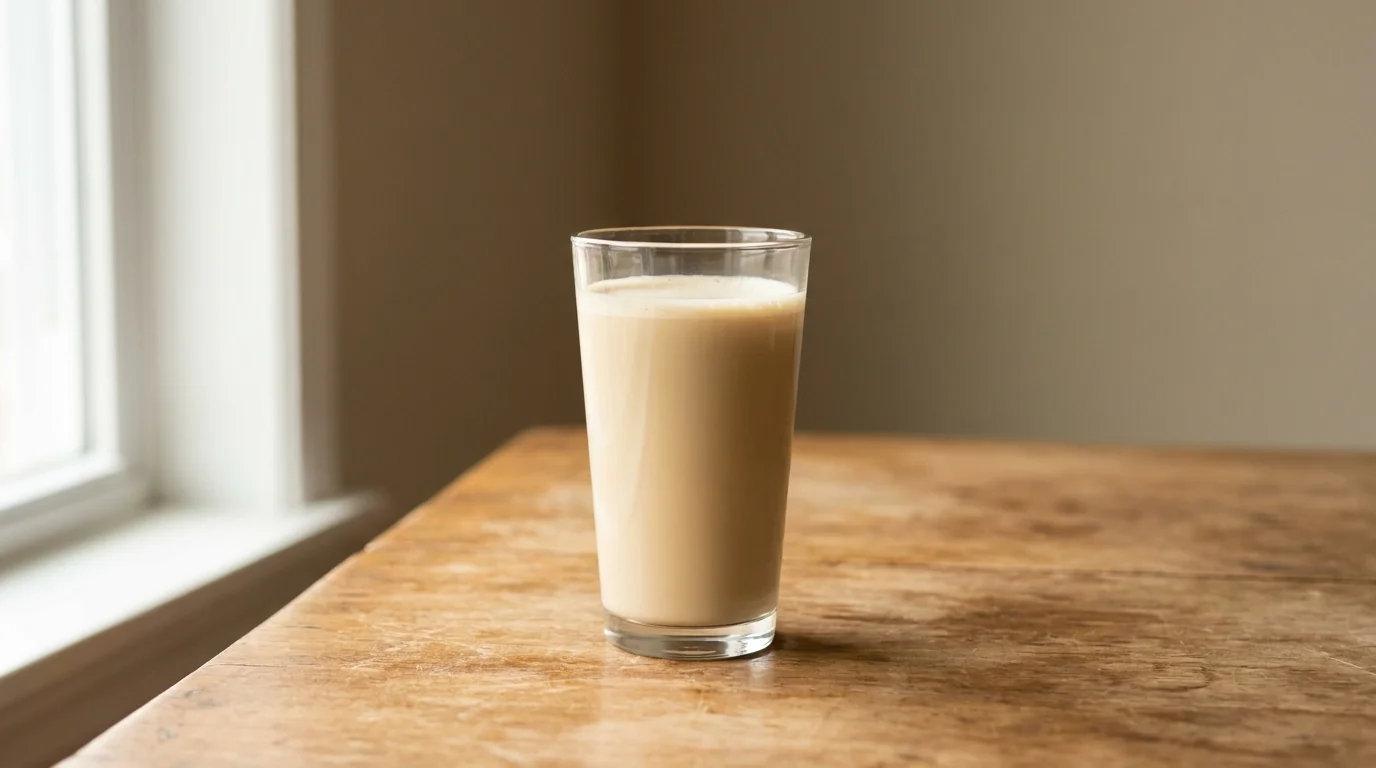
Protein coffee is one of the fastest-growing sub-categories in the functional beverage space — a convergence of the morning coffee habit (universal) with the high-protein diet trend (growing rapidly since the 2010s). What was once a niche DIY practice among fitness enthusiasts became a commercial product category with billion-dollar brands, and now sits between mainstream ready-to-drink coffee and the protein supplement industry. Understanding how to actually make protein coffee work (protein powder in hot coffee is harder than it sounds) and where it fits in a diet matters whether you're DIYing or buying commercial products.
15-30 g protein
typical protein content per protein coffee serving — comparable to a protein shake[4]
Whey or collagen
the two most coffee-friendly protein sources — mix well, neutral flavour, cost-effective[4]
Post-2015 commercial
commercial protein coffee category emerged from ~2015 (Kitu Super Coffee) and grew rapidly[1]
Why protein coffee exists
Two dietary and lifestyle trends converged to create the protein coffee category:
High-protein diet awareness. The past two decades have seen substantial cultural shift toward viewing protein as a priority nutrient — for muscle building, satiety, weight management, and healthy aging. The commonly-cited target of ~1.6-2.2 g protein per kg body weight per day (particularly for athletes and older adults) is meaningfully higher than typical Western consumption. Many people find hitting these targets requires deliberate effort.
Morning coffee as universal habit. ~60-70% of adults in North America drink coffee daily, most in the morning. Combining coffee with protein delivery leverages an already- established habit rather than requiring a new one.
The result: protein coffee provides a portable morning protein serving via a beverage most people are already drinking. For people whose typical breakfast is minimal or skipped, protein coffee provides breakfast-level protein in a drink they'd have anyway[1].
The DIY challenge
Adding protein powder to hot coffee is trickier than adding sugar or creamer:
The problems
The problems:
- Protein clumping. Most protein powders form clumps when hit with hot liquid — proteins denature and aggregate before they can dissolve.
- Curdling. Some protein powders (particularly whey concentrate and casein) can curdle with the acidity of hot coffee.
- Frothing/foaming. Blending protein powder with hot liquid produces excessive foam.
- Grittiness. Undissolved protein leaves gritty texture.
- Flavour clashes. Some flavoured protein powders (vanilla, chocolate) work with coffee; others (fruit flavours) don't.
The workable approaches:
Cold coffee method
Cold coffee method (easiest):
- Cold-brewed or iced coffee in a shaker bottle or blender.
- Add protein powder.
- Shake or blend for 30-60 seconds.
- Serve over ice.
- Whey isolate, collagen, and pea protein all work well.
Slurry method
Slurry method (hot coffee):
- Mix protein powder with 2 tbsp cold water or milk until smooth paste.
- Slowly stream hot coffee into the slurry while whisking or blending.
- Serve immediately.
- Works but requires care.
Blender method
Blender method (hot coffee):
- Add hot coffee, protein powder, optional milk or sweetener to blender.
- Blend for 30-60 seconds.
- Expect foam layer on top.
- Serve immediately.
Milk frother method
Milk frother method:
- Add protein powder to warm (not hot) milk.
- Froth with handheld frother until smooth.
- Add hot coffee to the milk-protein mixture.
- Reasonable results with less equipment.
Coffee-optimised powders
"Coffee-optimised" protein powders: Some brands (Ascent, Nuzest, Vega, others) market protein powders specifically designed to dissolve in hot coffee without clumping. Contain modified proteins or stabilisers that improve hot-liquid solubility. Slightly higher cost but easier to use.
Protein type comparison
Whey isolate
Whey protein isolate (WPI):
- Coffee performance: Good in cold coffee; challenging but workable in hot coffee.
- Protein content: 90%+ protein per gram.
- Amino profile: Complete (all essential amino acids).
- BCAAs: High leucine content — good for muscle protein synthesis.
- Cost: Moderate ($30-50/lb).
- Lactose: Very low in isolate; may still be an issue for extremely sensitive people.
Whey concentrate
Whey protein concentrate (WPC):
- Coffee performance: More prone to curdling than isolate.
- Protein content: 70-80% protein.
- Amino profile: Complete.
- BCAAs: High leucine content.
- Cost: Lower ($20-35/lb).
- Lactose: Moderate — may cause GI issues in lactose-sensitive people.
Collagen peptides
Collagen peptides (hydrolysed collagen):
- Coffee performance: Excellent — dissolves in hot coffee without clumping.
- Protein content: ~90-95% protein.
- Amino profile: Incomplete — very high in glycine, proline, hydroxyproline; low in some essential aminos.
- Not a complete protein — should be combined with other protein sources for muscle protein synthesis.
- Cost: Higher ($40-70/lb).
- See: Coffee and Collagen.
Casein and egg
Casein:
- Coffee performance: Poor — very thick, tends to gel.
- Not recommended for coffee applications.
Egg white protein:
- Coffee performance: Neutral flavour but variable mixing.
- Protein content: ~85% protein.
- Amino profile: Complete.
- Cost: Moderate to high.
Plant proteins
Plant proteins:
- Pea protein: Mixes reasonably in coffee. Slightly earthy taste. Complete amino profile (barely — low in methionine).
- Soy protein: Mixes well. Neutral flavour. Complete. Some concern about phytoestrogens (mostly overblown).
- Brown rice protein: Gritty texture; not ideal in coffee.
- Blends (pea + rice + hemp): Better than single plant sources; often designed for coffee applications.
Commercial protein coffee brands
Kitu Super Coffee (US, launched 2015):
- Ready-to-drink bottled coffee with 10-12 g protein per bottle.
- Flavoured (mocha, caramel, vanilla, various seasonal).
- Includes MCT oil in some formulations.
- Available at grocery stores, gas stations, gyms.
- Sweetened with monk fruit and stevia.
- Approximately 90-110 calories per bottle.
Javy Protein Coffee:
- Coffee concentrate that mixes with milk to provide ~20 g protein per serving.
- Adds protein directly to the concentrate.
- Powder form for milk-based preparation.
- Multiple flavour options.
Sabur:
- Ready-to-drink cold brew coffee with protein.
- Various protein levels and flavours.
Aloha / RXBAR / other bar brands:
- Some protein bar brands have launched coffee-adjacent protein drinks.
Chameleon Cold Brew:
- Some SKUs include added protein.
"Coffee flavour" protein drinks:
- Several protein shake brands offer coffee-flavoured formulations (Muscle Milk Coffee House, Premier Protein Coffee, etc.) — technically coffee-flavoured protein drinks rather than protein-added coffee.
The commercial category continues to expand rapidly. New brands launch regularly.
Nutrition context
Standard DIY protein coffee (12 oz coffee + 1 scoop whey isolate):
- Calories: ~120-140.
- Protein: ~24 g.
- Carbs: 2-5 g.
- Fat: 1-3 g.
- Caffeine: 95-130 mg.
- Fits well into keto, low-carb, and general high-protein diets.
Kitu Super Coffee (12 oz bottle):
- Calories: ~90-110.
- Protein: ~10-12 g.
- Carbs: 3-5 g (uses monk fruit/stevia sweeteners).
- Fat: 2-6 g.
- Caffeine: 150-200 mg.
Home latte + protein scoop:
- Calories: ~200-250.
- Protein: ~30-35 g (accounting for milk protein).
- Higher carb from milk.
- Higher calcium.
When protein coffee makes sense
Good use cases:
- Skipped or minimal breakfast — protein coffee provides breakfast-level protein for people who don't eat breakfast.
- High protein daily target — helps hit 100-150+ g daily protein without extra meal-planning effort.
- Post-workout — combines caffeine's ergogenic recovery effects with protein for muscle synthesis (whey particularly).
- Portable morning nutrition — travels well; useful for commuting or busy mornings.
- Weight management — protein satiety can help with hunger management during calorie restriction.
- Older adults — meeting elevated protein needs (1.2- 2.0 g/kg for muscle preservation) can be challenging with typical diets; morning protein coffee is a low-effort strategy.
Less compelling use cases:
- You already eat a protein-rich breakfast (Greek yogurt, eggs, cottage cheese) — protein coffee duplicates what you're getting.
- You're primarily seeking coffee's health benefits — ordinary coffee provides these; added protein doesn't enhance coffee's specific benefits.
- You want low-calorie coffee — protein adds calories. Black coffee is essentially calorie-free.
Coffee timing and protein absorption
Some evidence suggests coffee (specifically caffeine) may slightly delay gastric emptying and could theoretically affect protein absorption timing. Practical implications:
- Not enough evidence to worry about it for most people at typical intake.
- Post-workout protein timing benefits from reasonable proximity to training (within 1-2 hours), not seconds — protein coffee within this window works fine.
- For maximum absorption research standards, some athletes separate caffeine and protein by 30-60 minutes. Marginal effect for most users.
The caffeine ergogenic effect and the protein muscle- synthesis effect are largely independent and both work when consumed together[5].
Common misconceptions
- "Adding protein powder to coffee always works." No — most protein powders clump or curdle in hot coffee without proper technique.
- "Collagen builds muscle like whey." No — collagen is incomplete protein; excellent for connective tissue synthesis but not optimal for muscle protein synthesis. Whey or other complete proteins are better for muscle- building goals.
- "Super Coffee is a supplement." It's a beverage. In most jurisdictions regulated as food, not supplement.
- "Protein coffee is healthier than regular coffee." Only if protein is a nutrient you need to hit. For someone already meeting protein needs, adding it to coffee is neutral or slightly counterproductive (extra calories with no benefit).
- "Caffeine and protein don't mix." They do — both work together fine. Some minor timing considerations for maximum absorption but nothing preventing combination.
Making protein coffee at home (best practices)
Beginner setup:
- Get a decent immersion blender or shaker bottle.
- Start with cold-coffee methods before attempting hot coffee.
- Use whey isolate or collagen (most forgiving proteins).
Cold protein coffee (easiest):
- 12 oz cold brew or iced coffee.
- 1 scoop whey isolate or collagen.
- Shake in bottle for 30 seconds.
- Serve over ice.
Hot protein coffee (advanced):
- Slurry method: mix 1 scoop protein with 2 tbsp cold water first, then stream hot coffee in while blending.
- Or use a coffee-optimised protein powder.
Protein latte:
- Steam milk (or heat milk in saucepan).
- Whisk in protein powder while milk is warm not hot.
- Add hot espresso or strong coffee.
- Best method for a warm, café-style drink.
Practical rules
For general nutrition:
- Protein coffee is one tool among many for hitting daily protein targets.
- Compare cost per gram of protein vs powders alone or other protein sources.
For muscle building:
- Use whey isolate or a complete protein (not just collagen).
- Time within 1-2 hours of training for optimal muscle synthesis.
For weight management:
- Protein satiety helps hunger control.
- Track total calories — protein coffee still counts.
Caffeine ceiling:
If DIY isn't working:
- Try commercial ready-to-drink products.
- Consistency and convenience often matter more than DIY savings.
The honest summary
Protein coffee is coffee combined with 15-30 g of added protein per serving, either DIY (protein powder mixed carefully into coffee) or commercial (Kitu Super Coffee, Javy, and other brands). The category grew rapidly from around 2015 as high-protein diet awareness met the universal morning coffee habit. Whey isolate and collagen are the most coffee-friendly protein types; plant proteins work with more effort. Adding protein powder to hot coffee takes technique — cold-coffee methods are easier; hot- coffee methods require slurry or blender approaches. Most useful for people who don't have time for breakfast, need to hit elevated protein targets, or want portable morning nutrition. Not automatically better than plain coffee plus a protein-rich breakfast — value depends on what it's replacing in your routine.
Frequently asked questions
- What is protein coffee?
- Protein coffee is any coffee drink combined with a substantial amount of added protein — typically 15-30 g per serving. Can be made at home by adding protein powder to coffee (with careful mixing to avoid clumping) or purchased as commercial ready-to-drink products. The category grew rapidly from around 2015 as high-protein diet trends met coffee's mass consumption habit.
- How do you add protein powder to coffee?
- Not by dumping powder into hot coffee — most protein powders clump or denature. Better approaches: (1) blend with cold or iced coffee (works best); (2) mix protein powder with a small amount of cold water/milk first to make a paste, then add hot coffee slowly while stirring; (3) use a milk frother or shaker bottle for cold coffee applications; (4) buy 'coffee-friendly' protein powder specifically formulated to dissolve in hot liquids. Whey and collagen are most forgiving; plant proteins are the trickiest.
- What kind of protein powder works best in coffee?
- Whey protein isolate — mixes well cold, has neutral flavour, complete amino acid profile. Collagen peptides — dissolves easily in hot coffee, tasteless, unique amino profile (see our Coffee and Collagen article). Egg white protein — neutral flavour but harder to mix. Casein — poor coffee performance (too thick). Plant proteins (pea, soy, brown rice) — variable; pea and soy work reasonably, brown rice tends to be gritty.
- What are Super Coffee, Javy, and other brands?
- Kitu Super Coffee is a ready-to-drink bottled coffee with 10-12g protein per bottle, launched 2015. Javy Protein Coffee is a coffee concentrate that mixes with milk to provide ~20g protein per serving. Sabur, Aloha, and various protein-fortified coffee brands have followed. Chameleon, Rise, and other cold brew brands sometimes have protein-added variants. The commercial category grew rapidly through the late 2010s and 2020s.
- Is protein coffee actually good for you?
- Depends on what you're comparing to. Better than sugary flavour lattes if you need protein and want coffee. Not automatically better than plain coffee + a protein-rich breakfast (eggs, Greek yogurt, cottage cheese). Useful for people who: don't have time or appetite for breakfast; need to boost daily protein for training or health goals; want a portable morning protein delivery. Not a magical health drink — the value depends on what it's replacing in your morning routine.
References
Every factual claim in this article is drawn from the sources below. See the source library for how we grade evidence.
- [1]Coffee consumption and health: umbrella review of meta-analyses of multiple health outcomesBMJ · 2017 · Umbrella review · Tier 1 · Strong
- [2]Spilling the Beans: How Much Caffeine Is Too Much?U.S. Food and Drug Administration · 2024 · Agency guidance · Tier 1 · Strong
- [3]Caffeine in foodsHealth Canada · 2022 · Agency guidance · Tier 1 · Strong
- [4]Brewing FundamentalsCoffee Science Foundation · Reference work · Tier 2 · Moderate
- [5]International Society of Sports Nutrition position stand: caffeine and exercise performanceJournal of the International Society of Sports Nutrition · 2021 · Review · Tier 1 · Strong
- [6]Effects of caffeine intake on muscle strength and power: a systematic review and meta-analysisJournal of the International Society of Sports Nutrition · 2018 · Meta-analysis · Tier 1 · Strong
Related reading
- Functional CoffeeCoffee and Collagen: What the Evidence Shows→
- Caffeine & HealthCoffee Before a Workout: Timing, Dose, and Performance→
- Caffeine & HealthIs Coffee Healthy? What Large Studies Actually Show→
- Functional CoffeeWhat Is Bulletproof Coffee? Butter, MCT Oil, the Claims→
- Functional CoffeeWhat Is Keto Coffee? Fat-Fuelled Coffee Explained→
- Coffee EquipmentProsumer Espresso Machine: What the Word Means and Where It Starts→