Does Caffeine Eye Cream Work? What to Expect
By Coffee Studies Editorial·Published November 3, 2026·4 min read
Quick answer
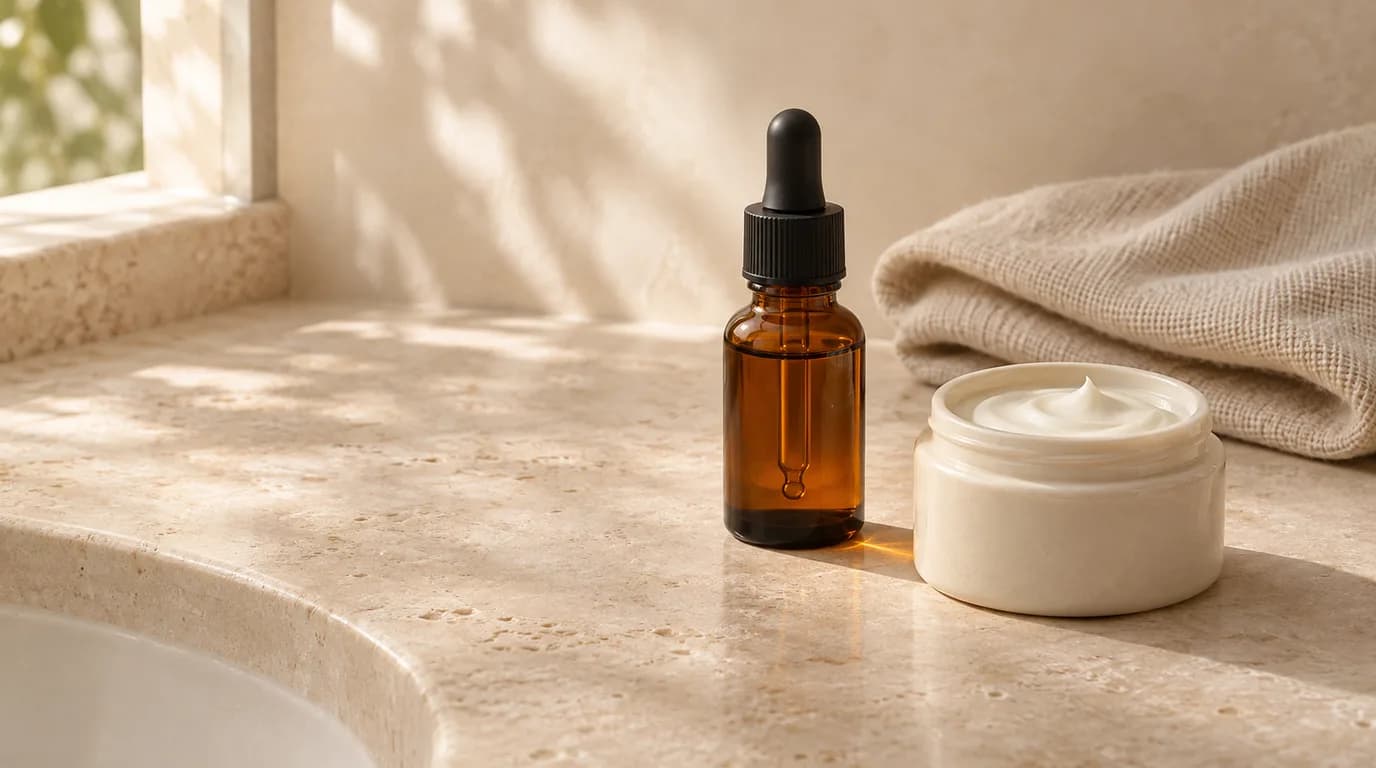
Your eyes look puffy this morning, and a caffeine eye cream sounds tempting. Before choosing one, decide what you want to look different: puffiness, darkness, or the finish of your skin before makeup.
Some people may like the finished product, but caffeine alone is not a reliable promise of visible results. The studies below help you decide what is worth trying—and how to judge your purchase.
What should you expect from a caffeine eye cream?
In a randomized study of 34 young adults after a sleepless night, a caffeine gel did not significantly outperform its caffeine-free base overall. The researchers pointed to the cooling gel as an important part of the improvement.[2]
For your purchase, that means the whole formula matters. Choose something that fits the step you want, and judge whether you notice a worthwhile change. This trial did not test every eye cream or show that they all behave alike.
Caffeine for puffiness versus dark circles
Puffiness describes swelling; dark circles describe a darker appearance. They can occur together, but they are not the same problem. Johns Hopkins lists fluid retention, aging and genetics among the causes of under-eye bags. It describes caffeine creams as a possible temporary measure, with limits for persistent bags.[6]
Dark circles can involve visible blood vessels, pigmentation or shadows from hollow areas. Cleveland Clinic describes several causes, including genetics and age-related changes. A label saying “dark circles” does not tell you which cause a product can address.[7]
If you are shopping for caffeine eye cream for dark circles, start with realistic expectations. The caffeine trials below do not establish a reliable fix for every kind of under-eye darkness.
Why might caffeine eye cream not work for you?
- The goal may not match the product. Persistent bags or structural shadows deserve a different discussion from a temporary cosmetic change.
- The formula may add little you notice. In the gel trial above, the caffeine-free base improved appearance too.
- The comparison may be misleading. Different lighting, makeup or camera settings can make a before-and-after look more dramatic.
Do not respond automatically by buying a stronger concentration. If the cause is unclear or the concern persists, a clinician can help you understand it before you spend more.[6][7]
Research extra: a promising result with a catch
A 2015 study followed 11 women for four weeks. An eye pad containing 3% caffeine, vitamin K and an emu-oil base improved measured hydration, pigmentation and elasticity compared with a water pad.
But several ingredients changed at once, and treatment was always applied to the right eye. This small, single-blind study cannot tell us how much caffeine contributed or predict results from a different eye cream.[1]
How to tell whether you like the result
If you change your moisturizer, concealer and eye serum together, you cannot easily tell which change you like. Lighting also makes a comparison harder to interpret. Our suggestion is to keep your routine steady and compare photographs taken in similar conditions, without filters.
Write down one modest goal, such as whether you prefer the appearance of your under-eye area before makeup. If you cannot tell a difference that matters to you, there is no obligation to keep repurchasing. A product does not become necessary because the ingredient is fashionable.
The same caution applies to online reviews. Someone describing an enjoyable texture is answering a different question from someone describing a change in dark circles. Both experiences can be sincere without predicting yours.
Should you choose the highest caffeine percentage?
A laboratory study used creams with the same caffeine concentration but different supporting ingredients. Caffeine delivery through a synthetic membrane differed. That is a reason to compare formulas rather than rank bottles by percentage alone.[3]
A disclosed concentration is useful information, but it is not a score. Nor does an undisclosed percentage let us conclude that a product contains too little to matter. We compare the practical differences in caffeine eye creams and serums, including what the more expensive cream adds to the routine.
Choose a format before a brand
If you want one cream step, compare creams. If you already like your moisturizer and want a separate serum, compare serums. The Ordinary's product is a water-based serum; Origins offers a tinted cream. Neither format is a universal winner.[4][5]
For a closer look, read our The Ordinary product analysis or the 100% PURE coffee bean eye cream guide. Both explain what is verified and what remains uncertain.
Before you try one
- Pick one goal you can describe, such as whether you prefer the appearance before makeup.
- Read the package directions and keep other routine changes to a minimum.
- Compare in similar lighting and decide whether the result is worth the cost to you.
Stop using a product that irritates your skin. The Ordinary's directions, for example, advise stopping and consulting a physician if irritation occurs.[4]
Ready to choose a format? The cream-versus-serum guide compares the practical differences.
References
Every factual claim in this article is drawn from the sources below. See the source library for how we grade evidence.
- [1]Evaluation of the clinical efficacy and safety of an eye counter pad containing caffeine and vitamin K in emulsified Emu oil baseAdvanced Biomedical Research · 2015 · Controlled trial · Tier 2 · Moderate
- [2]Evaluation of caffeine gels on physicochemical characteristics and in vivo efficacy in reducing puffy eyesJournal of Applied Pharmaceutical Science · 2011 · Controlled trial · Tier 2 · Moderate
- [3]Skin penetration of caffeine from commercial eye creams and eye creams designed and optimized based on Hansen solubility parametersInternational Journal of Pharmaceutics · 2023 · Reference work · Tier 2 · Moderate
- [4]Caffeine Solution 5% + EGCG Eye Serum: product informationThe Ordinary · 2026 · Reference work · Tier 3 · Contextual
- [5]GinZing Brightening Eye Cream with Vitamin C and Niacinamide: product informationOrigins · 2026 · Reference work · Tier 3 · Contextual
- [6]How to Get Rid of Bags Under Your EyesJohns Hopkins Medicine · 2026 · Reference work · Tier 2 · Moderate
- [7]Dark Circles Under EyesCleveland Clinic · 2022 · Reference work · Tier 2 · Moderate
Related reading
- Coffee BeautyCoffee Scrub Benefits: Smoother Skin, Realistic Expectations→
- Coffee BeautyCoffee Oil for Skin: Oil, Extract and Caffeine Explained→
- Caffeine SkincareCaffeine Eye Cream vs Serum: Choosing a Formula→
- Caffeine SkincareThe Ordinary Caffeine Solution: Is It Worth Trying?→
- Brew MethodsSiphon Coffee: How Vacuum Brewing Works and Tastes→
- Functional CoffeeWhat Is Functional Coffee? Ingredients, Claims and the Rules→