Moka Pot Guide: How to Brew Stovetop Espresso at Home
By Coffee Studies Editorial·Published July 15, 2026·7 min read
Quick answer
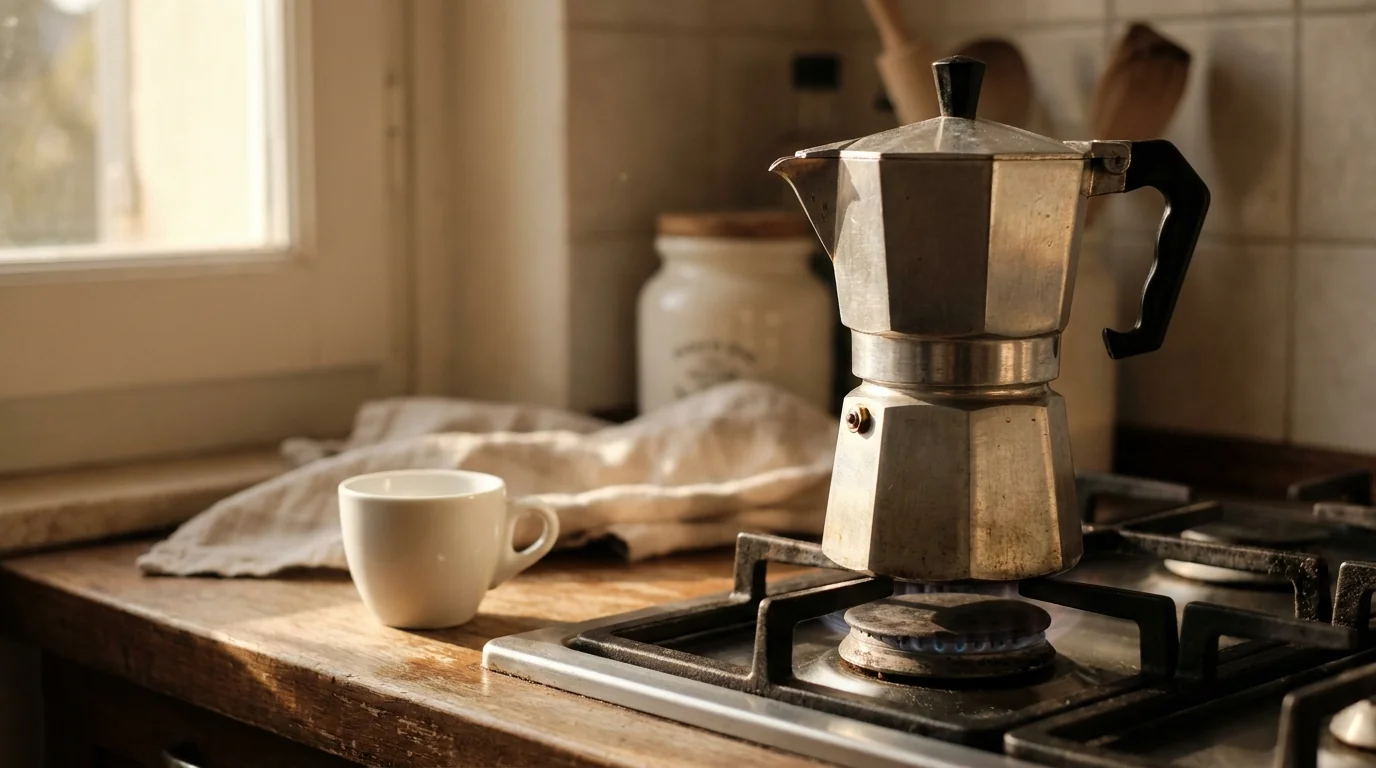
The moka pot is a piece of Italian household infrastructure — Bialetti has been making them since 1933, and they sit on stovetops across Europe and Latin America as the everyday way to make strong coffee at home. It's often called "stovetop espresso," which is misleading — it isn't espresso, but it is its own excellent thing.
~1.5-2 bar
pressure the moka pot generates — meaningful but well below the ~9 bar needed for true espresso[4]
3-4 min
typical moka pot brew time from cold pot to finished coffee[1]
Concentrated
moka pot produces a bold, concentrated cup — stronger than drip, less concentrated than espresso[3]
How a moka pot actually works
A moka pot has three chambers stacked on top of each other:
1. Bottom chamber — holds water and includes the safety release valve on the side.
2. Funnel/filter basket — a metal basket that sits in the top of the bottom chamber, holding the coffee grounds.
3. Top chamber — where the finished coffee collects, with a spout for pouring.
The process:
- You heat the pot on the stove.
- Water in the bottom chamber heats up and generates steam pressure.
- Pressure forces the hot water up through the coffee in the funnel basket.
- The brewed coffee collects in the top chamber.
- You hear a distinctive gurgling as the last of the water is pushed through.
- The pot goes silent, then starts a sputtering sound — this is your signal to remove from heat before the coffee over-extracts and burns.
The whole process takes about 3-4 minutes from cold pot. Pressure peaks at around 1.5-2 bar — enough to push water through fine coffee, but well below the ~9 bar required for true espresso extraction.
The classic recipe
For a 6-cup moka pot (yields about 240 mL of coffee):
- Boil water separately (kettle). Using hot water in the bottom chamber shortens the total heat exposure of the pot itself and reduces burnt notes. Optional but recommended.
- Fill the bottom chamber with just-boiled water to just below the safety valve. Don't cover the valve — that's a safety feature.
- Grind coffee fine to medium-fine. About 15-18 g for a 6-cup pot. Texture: like fine table salt.
- Fill the funnel basket with ground coffee — level with the top, not heaped. Do not tamp. A light shake or gentle tap to level the grounds is enough.
- Assemble — carefully thread the top chamber onto the bottom (the pot is now hot; use a towel or handle). Make sure it's fully sealed.
- Place on the stove over medium-low heat with the lid open. High heat produces burnt coffee.
- Wait. In 2-3 minutes you'll hear the brewing start — a soft gurgling as water passes through the coffee and collects in the top chamber.
- When the sound changes — the gurgle becomes a sputter or hiss — remove immediately from the heat. This is the moment when only steam is passing through (all the water is gone) and the coffee starts to over-extract.
- Optional: run the bottom chamber under cold water for 5-10 seconds to stop residual extraction. This is a common technique for cleaner-tasting moka.
- Serve immediately.
Grind size — critical
Moka pot is fussy about grind. The right grind is a narrow range, and getting it wrong produces bad coffee reliably.
Right grind (fine to medium-fine):
- Coffee extracts fully during the 3-4 minute brew
- Water flows through smoothly
- Balanced, concentrated cup
Too fine (espresso grind):
- Water can't pass through — pot pressure builds excessively
- Safety valve might release (a warning sign)
- Cup tastes bitter and harsh if any coffee makes it through
Too coarse (drip grind):
- Water passes through too quickly
- Under-extracted — sour, weak, disappointing
- Cup tastes thin
A burr grinder is a big upgrade for moka pot specifically because the grind window is so narrow. Blade grinders that produce dust and boulders make moka pot brewing very inconsistent.
Heat control — the second critical variable
The most common moka pot mistake is heat too high. Full-blast heat produces:
- Rapid brewing that under-extracts before pushing through
- Metallic, burnt, or acrid notes from the aluminium being too hot
- Coffee that runs through the basket too fast to develop properly
Correct heat: medium-low. The whole brewing process should take 3-4 minutes; brewing in under 90 seconds means your heat is too high.
Common flavour problems
Bitter, burnt taste:
- Heat too high — turn down
- Left on heat after brewing finished — remove immediately when sputtering starts
- Grind too fine — coarsen slightly
- Coffee stayed in the top chamber too long before pouring
Sour, weak, under-extracted:
- Grind too coarse — go finer
- Not enough coffee in the basket — fill level, don't leave gaps
- Water in bottom chamber was cold — use hot water for faster, more controlled brewing
Coffee tastes metallic:
- New moka pot — needs seasoning (brew and discard a few batches before your "real" coffee)
- Aluminium reacting with acidic water — try filtered water
- Old, worn gasket — replace annually or as needed
Coffee sputters and sprays out the top:
- Grind too fine, causing pressure buildup
- Basket overfilled and compressed
- Heat too high causing pressure surge
- Fix any of the above
Why moka pot isn't espresso
Real espresso requires:
- ~9 bar of pressure — moka pot generates 1.5-2 bar
- ~92-95°C water temperature — moka pot water is often hotter (approaching boiling)
- ~25-second contact time — moka pot contact time is longer, closer to 60-90 seconds
- Fine espresso grind — moka pot uses slightly coarser
The differences matter for the finished cup:
- No true crema — some moka pots produce a thin foam layer, but it lacks the persistence and complexity of espresso crema
- Less concentration — dissolved solids in moka pot coffee are lower than in espresso (though higher than drip)
- Different flavour profile — moka pot extracts more like a very concentrated drip than like espresso
- Sharper, more acidic — often more astringent than well-pulled espresso
That said, moka pot at its best is genuinely excellent coffee. It's a different tool for different results, not a failed espresso substitute.
Method-specific notes
A 2013 European Food Research and Technology study comparing nine common coffee extraction methods included the moka pot and documented its distinct chemical profile[1]. A 2020 Foods study looking at mineral composition and antioxidants across brewing methods found that moka pot produces cups with different mineral content than paper-filtered methods — similar in this respect to French press and other unfiltered methods[2].
The unfiltered nature of moka pot means it contains cafestol and kahweol (see the French Press guide for the cholesterol context). If you drink lots of moka pot daily and have elevated LDL cholesterol, this is worth knowing about.
Aluminium vs stainless steel
Aluminium (classic Bialetti):
- Traditional, cheap, lightweight
- Reactive — some claim it affects flavour
- Not compatible with induction stoves without an adapter
- Care: don't wash with soap, just rinse (the seasoning helps flavour)
Stainless steel:
- More expensive
- Less reactive, more neutral flavour
- Induction-compatible
- Dishwasher safe
- Heavier
The old debate about aluminium safety (aluminium and Alzheimer's) is not supported by current medical evidence at typical exposure levels. If you specifically prefer stainless steel for taste or convenience reasons, that's fine — but aluminium moka pots aren't a health concern.
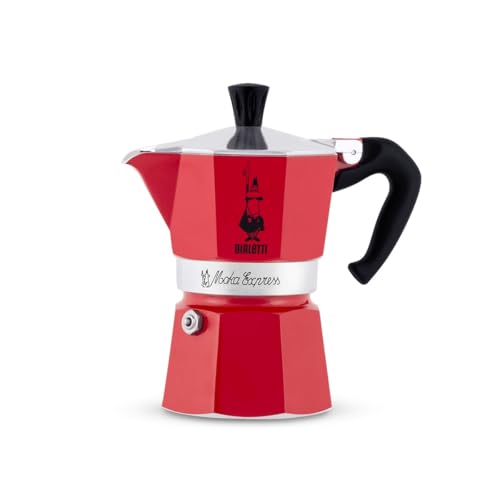 Six-cup moka potBialetti - Moka Express: Iconic Stovetop Espresso Maker, Makes Real Italian Coffee, Moka Pot 6 Cups (6 Oz), Aluminium, RedThe original 1933 design, still the reference for the format. Aluminium rather than steel, which conducts faster and is why the classic is still the one most Italian households own. The safety valve and gasket are both replaceable consumables.amazon.com $64.99 USDamazon.ca —Price and availability as of View on Amazon
Product prices and availability are accurate as of the date/time indicated and are subject to change. Any price and availability information displayed on Amazon at the time of purchase will apply to the purchase of this product. Certain content that appears on this site comes from Amazon. This content is provided ‘as is’ and is subject to change or removal at any time.
Where moka pot fits
Best for:
- Concentrated stovetop coffee at home
- Camping/travel where electricity isn't available (works over a fire)
- Italian-style coffee traditions (with milk, with sugar, as a base for stovetop cappuccino)
- Drinkers who like strong, bold coffee but don't want an espresso machine
- Budget-conscious home coffee — a decent moka pot is $25-50
Less good for:
- People who want real espresso — get an actual espresso machine
- People who prefer clean, tea-like coffee — try pour-over
- Very finicky drinkers who want to control every variable — moka pot is a fairly binary "in or out" method
Common misconceptions
- "Moka pot is Italian espresso." No — it's Italian stovetop coffee. Real espresso came from Italy too, but requires machine pressure.
- "You should tamp moka pot grounds like espresso." Never tamp. Level fill only.
- "Aluminium moka pots are unsafe." Not supported by medical evidence at typical exposure.
- "Higher heat brews faster and better." Higher heat brews worse — burnt, harsh, over-extracted.
The honest summary
Moka pot is stovetop coffee's classic tool — cheap, durable, and capable of excellent concentrated coffee at home. The two things to get right are grind (fine to medium-fine, not espresso-fine) and heat (medium-low, not high). Remove from heat the second the brewing sound changes. It's not espresso — it's its own thing, and worth appreciating on those terms.
Frequently asked questions
- Is moka pot coffee espresso?
- No — moka pot reaches about 1.5-2 bar of pressure, well below the ~9 bar required for true espresso. Moka pot produces concentrated stovetop coffee with a bold flavour and some crema-like foam, but the extraction chemistry and character are different from real espresso.
- Why does my moka pot coffee taste burnt?
- Two most common causes: heat too high (should be medium-low, not full flame), or leaving the pot on the heat after coffee finishes brewing. Both continue extracting past the ideal point and produce bitter, burnt-tasting coffee. Remove from heat immediately when the gurgling changes to a sputter.
- What grind size for moka pot?
- Fine to medium-fine — finer than drip but slightly coarser than espresso. Table salt texture is a good target. Grind too fine and water can't pass through the basket; grind too coarse and coffee tastes under-extracted.
- Do you tamp coffee in a moka pot?
- No. Fill the basket level (a light shake or gentle tap to settle the grounds is fine), but don't compress with any force. Tamping increases resistance to a level moka pot pressure can't overcome, and can create dangerous pressure buildup.
References
Every factual claim in this article is drawn from the sources below. See the source library for how we grade evidence.
- [1]Comparison of nine common coffee extraction methods: instrumental and sensory analysisEuropean Food Research and Technology · 2013 · Controlled trial · Tier 2 · Moderate
- [2]Mineral Composition and Antioxidant Potential of Coffee Beverages Depending on the Brewing MethodFoods · 2020 · Observational study · Tier 2 · Moderate
- [3]Brewing FundamentalsCoffee Science Foundation · Reference work · Tier 2 · Moderate
- [4]CoffeeEncyclopaedia Britannica · Reference work · Tier 3 · Contextual
Related reading
- Brew MethodsFrench Press Guide: Ratios, Steep Time, and Technique→
- Espresso & Coffee DrinksWhat Is Espresso? Pressure, Extraction, the Shot→
- Brew MethodsKalita Wave Brew Guide: Ratios, Technique, and Results→
- Brew MethodsBica: Portugal's Espresso, and the Acronym That Isn't True→
- Brew MethodsGreek Coffee: The Briki, the Frappe, and the Freddo→
- Brew MethodsCafé de Olla: Mexico's Traditional Spiced Coffee→