Nitro Cold Brew: How Nitrogen Makes Coffee Creamy
By Coffee Studies Editorial·Published July 18, 2026·7 min read
Quick answer
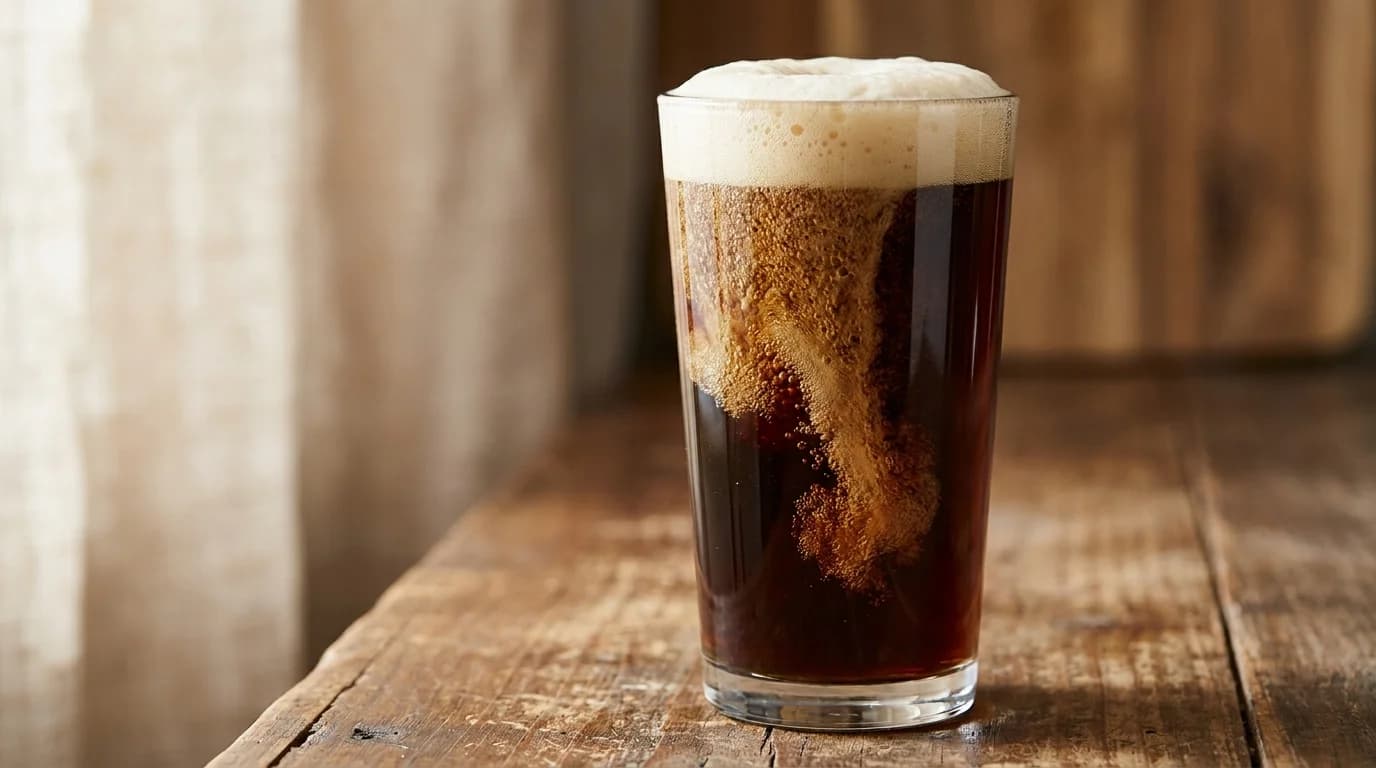
Nitro cold brew is one of the stranger things to happen to coffee in recent decades: regular cold brew, charged with nitrogen under pressure and dispensed through a stout tap, emerges silky and thick, with a foamy cascading head and a mouthfeel most people assume means cream was involved. None was. The creaminess comes entirely from physics: nitrogen gas, tiny bubbles, and a restrictor plate.
The technology is not new — Guinness has poured this way since the 1950s — and the coffee itself is ordinary cold brew. What's new is applying the same draft beer infrastructure to coffee, a convergence that happened in craft beer bars and independent coffee shops around 2013–2015 before Starbucks brought it to chain scale.
No dairy
the creaminess comes entirely from nitrogen microbubbles — the same physics behind Guinness stout's smooth texture[3]
~200–300 mg caffeine per 12 oz
caffeine comes from the cold brew base; concentration varies by recipe but is typically 1.5–2× higher per oz than drip coffee[1]
Sweeter-tasting without added sugar
nitrogen infusion reduces perceived bitterness, making the same cold brew taste slightly sweeter than from a regular glass[3]
The nitrogen physics
Why does nitrogen make coffee creamy when CO2 just makes it fizzy? The answer is bubble size and gas solubility.
CO2 (carbonation): relatively soluble in water, forms large, unstable bubbles that release quickly. The sensation is sharp and tingly — you feel the gas releasing against the mucous membranes of your mouth. This is carbonation's characteristic mouthfeel.
Nitrogen: much less soluble in water under normal conditions. When force-dissolved into cold brew under pressure and sheared through a restrictor plate at the tap, nitrogen forms bubbles roughly ten times smaller than CO2 bubbles. These microbubbles are stable — they don't release rapidly — and instead coat surfaces. The effect on the palate mimics fat: smooth, round, filling[3].
The restrictor plate is the key hardware element: a disc with small holes (1–5 mm) that the pressurised coffee is forced through at the tap. The shear force of the liquid passing through those holes breaks the nitrogen into the characteristic cascade of tiny bubbles. Without the restrictor plate, you get pressurised cold coffee, not nitro.
Why it also tastes sweeter: nitrogen slightly blunts bitter taste perception — the same reason Guinness tastes less bitter than comparable ales despite having similar bitterness units. The same effect is at work in nitro cold brew[1].
Starting with the cold brew base
Nitro cold brew starts as standard cold brew — coffee steeped in cold or room-temperature water for 12–24 hours — and then gets charged with nitrogen. The base recipe determines everything about flavour; the nitrogen is a serving technique, not a flavour ingredient.
For home nitro cold brew:
Cold brew base (makes ~500 mL concentrate):
- 80 g coarsely ground coffee
- 500 mL cold filtered water
- Steep 12–18 hours at room temperature, or 18–24 hours refrigerated
- Strain through a coffee filter or fine mesh
- Chill thoroughly before charging
Roast choice matters: medium-dark roasts are common for nitro because the nitrogen texture pairs well with the chocolate and caramel notes of a darker roast, and the reduced bitterness perception from nitrogen makes darker roasts more approachable. Light roasts with high acidity can also work and produce a more fruit-forward result[2].
Figure
Caffeine per fluid ounce: cold brew vs other coffee formats
Values in mg per fl oz
Making nitro cold brew at home
Option 1: Whipped cream dispenser (easiest)
A standard iSi-type dispenser charged with N2O (nitrous oxide cream chargers) produces a similar result. Note: cream chargers use N2O, not pure N2 — the gas is slightly different, and the mouthfeel may be marginally less smooth than a dedicated nitrogen system. For most home purposes, the difference is minor.
- Brew and chill your cold brew concentrate.
- Fill the dispenser to the maximum line with chilled cold brew.
- Charge with one N2O cartridge, shake 10 times.
- Dispense into a glass over ice. Hold the dispenser upside down to dispense.
- For a smaller glass, half a charge may be sufficient.
Option 2: Home nitro keg system
Dedicated home nitro systems (brands like NitroPress, Royal Brew, or Draft Top) use small nitrogen cartridges or larger tanks and a tap mechanism more similar to a bar setup. These produce a more authentic cascade and creaminess. More expensive upfront, but reusable and the nitrogen is the same gas as commercial systems.
No special equipment: you can charge cold brew with a French press by plunging rapidly to aerate and then serving immediately. No nitrogen involved — this produces foam from dissolved air, not nitrogen bubbles — but it approximates the visual without the physics.
Serving
Nitro cold brew is almost always served without ice — ice dilutes the concentrate and disrupts the foam. The drink is served cold from the tap (or dispenser), typically in a glass with no ice, no milk, no sweetener. The mouthfeel and apparent sweetness come from the nitrogen itself.
The pour: pour into a tilted glass, slowly straightening as it fills — the same technique as pouring a Guinness. This preserves the cascade head.
Drink it promptly. Nitrogen bubbles dissipate within minutes; a nitro cold brew left to sit loses its texture and becomes ordinary cold brew in a glass.
Nitro cold brew vs regular cold brew vs iced coffee
| Nitro cold brew | Cold brew | Iced coffee | |
|---|---|---|---|
| Base | Cold-steeped coffee + N2 | Cold-steeped coffee | Hot-brewed coffee |
| Texture | Creamy, foamy | Smooth, mellow | Thinner, similar to hot |
| Caffeine per oz | High (concentrate) | High (concentrate) | Lower (diluted) |
| Serve with ice? | No — disrupts foam | Usually yes | Yes |
| Dairy needed? | No | Optional | Optional |
| Sweetener needed? | Rarely | Sometimes | More often |
| Bitterness | Lower (N2 effect) | Low (cold steep) | Higher (hot brew) |
| Equipment | Pressurised tap or dispenser | Jar + filter | Coffee maker + ice |
See Cold Brew Coffee Guide for the full cold brew brewing guide, and Cold Brew vs Iced Coffee for the chemistry behind why cold-steeped and hot-brewed coffee taste different.
At coffee shops
Commercial nitro cold brew setups use a nitrogen tank (food-grade nitrogen, not a compressed air tank), a regulator set to roughly 30–40 PSI, and a stout faucet with a restrictor plate. A keg of cold brew concentrate connects to the nitrogen line. This is structurally identical to a Guinness keg setup in a pub.
The key variables between café setups: nitrogen pressure (higher pressure = more aggressive cascade, more head), restrictor plate hole size, and cold brew concentration. Coffee bars with properly calibrated systems will produce a dense, stable head; poorly calibrated setups may produce barely any foam or excessive watery foam.
Starbucks's version: available in most Starbucks locations as of 2022. Uses a proprietary cold brew concentrate and nitrogen dispensing system. Contains approximately 215 mg of caffeine per 12 oz serving per Starbucks's published nutrition data.
Common misconceptions
- "Nitro cold brew has extra caffeine from the nitrogen." Nitrogen contains no caffeine. All caffeine comes from the cold brew base.
- "It's cream." No dairy. The creaminess is from nitrogen microbubbles.
- "The cascade is just CO2 like a soda." Nitrogen behaves very differently from CO2. It's the same gas technology as Guinness, not carbonation.
- "You can just put cold brew in a soda stream." Soda streams use CO2, which would carbonate the coffee (not unpleasant but a different drink). You need nitrogen for the nitro effect.
- "It tastes sweet because sugar was added." Nitrogen infusion genuinely reduces perceived bitterness, making the same coffee taste sweeter without sweetener. Many coffee drinkers add sugar to regular cold brew but find they don't need it in nitro cold brew.
Nitro aside, the cold brew underneath it is made with ordinary equipment — a sealed filter basket and time. The brewers are compared in cold brew makers.
The honest summary
Nitro cold brew is cold brew charged with nitrogen gas and dispensed under pressure through a restrictor plate tap — the same serving technology as nitrogen stout beer. The nitrogen forms microscopically small bubbles that produce a creamy, smooth mouthfeel and a cascading foam head without any dairy. The caffeine comes entirely from the cold brew base and is typically high — 200–280 mg per 12 oz serving — since cold brew concentrate is stronger per fluid ounce than drip coffee. The drink should be served without ice and consumed promptly before the nitrogen dissipates.
Frequently asked questions
- What is nitro cold brew?
- Nitro cold brew is cold brew coffee charged with nitrogen gas under pressure and dispensed through a tap fitted with a restrictor plate (a disc with tiny holes). The nitrogen forms microscopically small bubbles — much smaller than CO2 bubbles in carbonated drinks — producing a cascading visual effect and a thick, creamy, foamy mouthfeel without any cream or dairy.
- Why does nitro cold brew taste creamy?
- Nitrogen bubbles are much smaller and less soluble in liquid than CO2 bubbles, which creates a smooth, dense foam rather than carbonation's sharp tingle. The restrictor plate forces the pressurised coffee through tiny holes at the tap, shearing the gas into a mass of fine bubbles that coat the palate the way fat does in milk or cream. The result is perceived creaminess with no dairy involved.
- How much caffeine is in nitro cold brew?
- Caffeine comes from the cold brew base, not the nitrogen. Cold brew concentrate is typically 1.5–2× stronger than drip coffee per fluid ounce. A standard 12 oz serving of nitro cold brew contains roughly 200–300 mg of caffeine depending on the concentration of the base and serving ratio. Starbucks's 12 oz nitro cold brew contains approximately 215 mg per their published nutrition data.
- Can you make nitro cold brew at home?
- Yes, but it requires a whipped cream dispenser (iSi-style) or a dedicated nitro coffee keg system. Brew a batch of cold brew concentrate, chill it, add it to a nitrogen-charged dispenser, shake, and dispense through the nozzle. A whipped cream charger uses N2O (nitrous oxide), not pure N2 — the mouthfeel is slightly different, but the result is close. Purpose-built home nitro systems (small kegs with nitrogen cartridges) produce a more authentic result.
- Is nitro cold brew the same as Guinness?
- Same serving technology, different liquid. Guinness introduced nitrogen dispensing in the 1950s — the same restrictor plate tap that creates the famous Guinness cascade. Starbucks and independent coffee bars applied the same system to cold brew coffee. The physics of the nitrogen bubbles behave identically; the flavour is obviously different.
References
Every factual claim in this article is drawn from the sources below. See the source library for how we grade evidence.
- [1]The Effect of Time, Roasting Temperature, and Grind Size on Caffeine and Chlorogenic Acid Concentrations in Cold Brew CoffeeScientific Reports · 2017 · Controlled trial · Tier 2 · Moderate
- [2]Physiochemical Characteristics of Hot and Cold Brew Coffee Chemistry: The Effects of Roast Level and Brewing Temperature on Compound ExtractionFoods · 2020 · Controlled trial · Tier 2 · Moderate
- [3]Brewing FundamentalsCoffee Science Foundation · Reference work · Tier 2 · Moderate
Related reading
- Brew MethodsCold Brew Coffee Guide: Ratios, Steep Time, Technique→
- Brew MethodsCold Brew vs Iced Coffee: The Real Difference→
- Espresso & Coffee DrinksWhat Is Espresso? Pressure, Extraction, the Shot→
- Coffee EquipmentCold Brew Coffee Makers: What You Are Actually Buying→
- Brew MethodsMoka Pot Guide: How to Brew Stovetop Espresso at Home→
- Brew MethodsSiphon Coffee: How Vacuum Brewing Works and Tastes→