What Is Single-Origin Coffee? Why Origin Matters
By Coffee Studies Editorial·Published July 15, 2026·6 min read
Quick answer
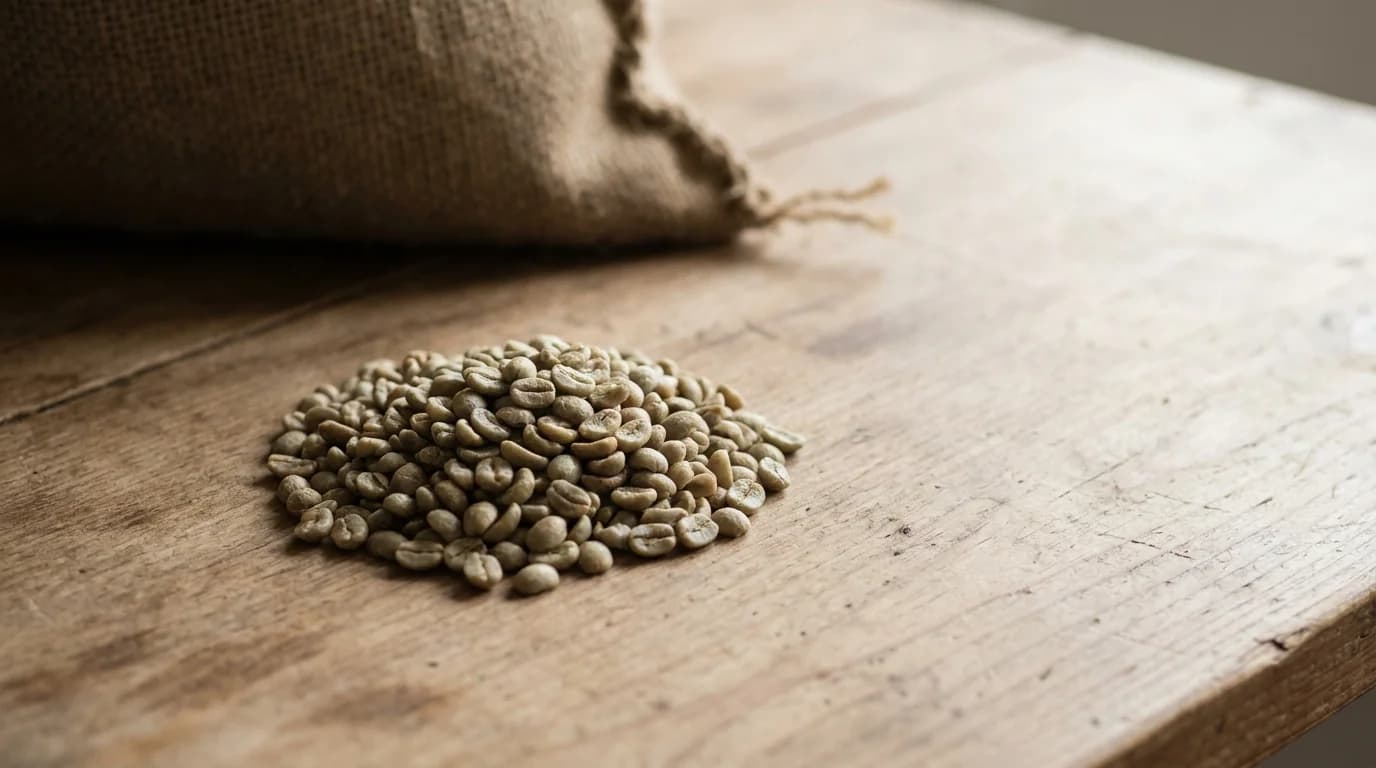
"Single origin" is one of the most-used phrases in specialty coffee, and one of the least standardised. It can mean anything from "all these beans came from Colombia" to "all these beans came from a single hectare on a specific farm harvested last November." The distinctions matter, and so does what single origin actually gives you compared to a blend.
From one place
single-origin coffee comes from a defined single source — one country, region, farm, or specific lot[1]
Terroir is real
chemical analysis reliably distinguishes coffee from different growing regions and elevations[2]
Not automatically better
single origin showcases specific character; well-made blends can rival or exceed poor single origins[4]
What "single origin" actually means
The term is used at multiple levels of specificity:
Single country: The loosest use. "Ethiopian coffee" or "Colombian coffee." All the beans came from one country. Common in supermarket premium coffee.
Single region: More specific. "Ethiopian Yirgacheffe" or "Colombian Huila." All the beans came from a specific region within a country, which usually shares climate, altitude, and processing traditions.
Single farm (or single estate): Even more specific. "Finca La Esperanza" or "Hacienda Sonora." All the beans came from one specific farm. Common in third-wave specialty coffee.
Single lot: Most specific. Beans from a specific harvest of a specific farm, often processed as a batch and sold as-is. Some coffees are further narrowed to "single variety single lot" — same farm, same harvest, same coffee variety.
Micro-lot: A term used somewhat loosely, generally meaning a small, distinctive batch — often a small harvest of a specific variety from a specific part of a farm, processed in a distinctive way. Micro-lots are usually the highest-quality specialty tier.
The spectrum goes from loose "single origin" (Colombia) to hyper- specific ("Single-variety Geisha micro-lot from Finca Deborah, El Salvador, natural processing, November 2024 harvest").
Why single origin exists
The rise of single origin was a reaction to how commercial coffee had worked for most of the 20th century — coffee sold as commodity, blended for consistency across seasons and origins, priced by market grades rather than by specific quality.
Single-origin coffee makes several things visible that blends usually hide:
Terroir. A 2008 Journal of Agricultural and Food Chemistry study demonstrated that arabica coffees from different origins have reliably distinct chemical signatures — fatty acid profiles, chlorogenic acid content, and mineral composition can accurately distinguish where the coffee grew[2]. Terroir is scientifically real, not marketing.
Processing method. Whether coffee was washed, natural, honey, or wet-hulled dramatically changes flavour. Single origins make this a visible characteristic; blends often obscure it.
Variety. Bourbon, Typica, Caturra, Geisha, Heirloom — each has distinct genetic profiles and flavour tendencies. Single-origin labelling often includes the variety.
Producer relationships. Direct trade and single-farm sourcing build transparency into who grew the coffee. This has commercial and social benefits beyond flavour.
Traceability and price
A 2009 economic analysis of single-origin coffee within the global coffee market documented how the movement toward geographical indications and single-origin branding lets producers escape commodity pricing — capturing more value from specific growing regions with distinct characteristics[1].
This is why single origin is often more expensive:
- Sourcing complexity — more logistics, smaller batches, more direct farmer relationships
- Quality premium — better single origins go through more quality control at every stage
- Producer premium — specialty single origins often pay farmers well above commodity prices
- Rarity — single lots by definition can't be repeatedly produced; when a specific lot sells out, it's gone
But not all single origin is expensive. Large-lot single-country coffees (e.g., Colombian supermarket bags) can be quite affordable — the "single origin" label there is really just "not blended with other origins."
Single origin vs blends: the real trade-offs
Single-origin advantages:
- Showcases specific character — you taste a place, a variety, a processing choice
- Educational — comparing single origins from different regions teaches you what makes coffees distinct
- Traceability — for consumers who care where their coffee comes from and how the farmer is compensated
- Often specialty-grade quality
- Variety across purchases — different single origins scratch different flavour itches
Blend advantages:
- Consistency year-round — the same blend tastes the same in spring and fall
- Balanced flavour by design — good blends fill in each origin's weaknesses with another origin's strengths
- Often better for espresso — traditional espresso blends intentionally combine origins for body, sweetness, and crema
- Sometimes better value at a given quality level
- Roasters can express their creativity through blend formulation
Neither is objectively better. The categories serve different purposes and different drinkers.
What single origin tells you about the cup
Country/region single origin predicts flavour at a broad level:
- Ethiopian: bright, floral, fruit-forward, often with tea-like clarity
- Kenyan: bright, wine-like acidity, blackcurrant/berry notes
- Colombian: balanced, sweet, medium body, chocolate/nut character
- Brazilian: sweet, chocolatey, nutty, often lower acidity
- Guatemalan/Costa Rican: clean acidity, sweet, nutty
- Sumatran: earthy, low-acid, full-bodied, sometimes wild
Single farm single origin predicts more — you may know the specific altitude, variety, and processing method, which sharpens your flavour expectations further.
Single lot predicts the most — you're often buying a specific seasonal expression of a specific farm and can research the specific harvest.
The single-origin espresso question
Traditional Italian espresso is blended — often combining arabica with some robusta for body, crema, and balance across seasons. Single-origin espresso is a newer specialty concept, sometimes called SO espresso.
Advantages of single-origin espresso:
- Pure expression of one origin at espresso concentration
- Interesting for tasting the origin's character in a very concentrated form
- Popular for specialty espresso and third-wave coffee shops
Challenges:
- Some single origins don't extract well as espresso (too bright, too fruity, missing body)
- Harder to dial in consistently across seasons
- Blends can produce more balanced espresso for milk-based drinks
If you're pulling shots at home, single-origin espresso is worth experimenting with — but don't be surprised if some beans that brew beautifully as pour-over are difficult as espresso.
How to read a single-origin label
Useful information on a good single-origin bag:
- Country and region — Colombia Huila; Ethiopia Yirgacheffe
- Farm or cooperative name — Finca La Esperanza; Kercha Farmers Cooperative
- Variety — Bourbon, Typica, Caturra, Heirloom, Geisha
- Elevation — 1,600-1,900 masl typical for specialty
- Processing — washed, natural, honey, anaerobic, etc.
- Harvest date or roast date — closer to now is better; freshness matters
- Producer name — increasingly common with specialty single origins
- Tasting notes — the roaster's description of expected flavours
Missing most of this suggests a large-lot commodity single origin (fine, but less specific). Including all of it suggests a serious specialty product with real traceability.
Common misconceptions
- "Single origin means single farm." Not necessarily — single origin can mean single country. Single farm is a stricter subset.
- "Single origin is always fresh." Not automatically. Check the roast date. Old single-origin coffee is worse than fresh blend.
- "Blends use inferior beans." Not necessarily. Excellent blends combine excellent beans by design; blending is a discipline of its own.
- "Single-origin espresso is better than blended espresso." Different, not better. Traditional espresso blends have centuries of development behind them; single-origin espresso is a newer specialty movement with its own strengths and challenges.
The honest summary
Single-origin coffee comes from a defined single source, at varying levels of specificity — from country to specific micro-lot. It makes terroir, processing, and variety visible in a way blends usually don't. Well-executed single origin is often specialty- grade; poorly-executed single origin can be worse than a good blend. Try single origins to learn what coffee is capable of; try blends when you want consistency and balance. Both categories belong in a coffee lover's cabinet.
Frequently asked questions
- Is single-origin coffee better than blends?
- Not automatically. Single-origin coffees showcase the specific character of one place; blends aim for balance and consistency. Well-made single origins are often specialty-grade; poor single origins can be worse than well-made blends. Neither is objectively better — they serve different purposes.
- What's the difference between single origin, single farm, and single lot?
- Increasingly specific. Single origin usually means one country or region. Single farm means beans from one specific farm. Single lot means beans from a specific harvest at a specific farm, processed as a batch. Higher specificity generally means better traceability and often better quality control.
- Is single origin more expensive?
- Usually yes. Sourcing beans from specific farms and lots is more logistically complex than blending. Better single origins reflect that in the price. Some single-origin coffee is quite affordable, though — especially large-lot single-country beans.
- Why is single origin popular in specialty coffee?
- Because it makes terroir visible. The chemistry and flavour of coffee genuinely varies by growing region, altitude, variety, and processing. Blends smooth those variations for consistency; single origins celebrate them. For drinkers who want to understand what makes different coffees distinct, single origins are how you do it.
References
Every factual claim in this article is drawn from the sources below. See the source library for how we grade evidence.
- [1]Protecting 'Single-Origin Coffee' within the Global Coffee Market: The Role of Geographical Indications and TrademarksUniversity of Minnesota (AgEcon Search) · 2009 · Review · Tier 2 · Moderate
- [2]Comparison of the Effectiveness of Fatty Acids, Chlorogenic Acids, and Elements for the Chemometric Discrimination of Coffee (Coffea arabica L.) Varieties and Growing OriginsJournal of Agricultural and Food Chemistry · 2008 · Observational study · Tier 2 · Moderate
- [3]Characterization of the Cultivation Region of Ethiopian Coffee by Elemental AnalysisAnalytical Letters · 2016 · Observational study · Tier 2 · Moderate
- [4]Coffee Varieties CatalogWorld Coffee Research · Reference work · Tier 2 · Moderate
- [5]International Coffee OrganizationInternational Coffee Organization · Official dataset · Tier 1 · Strong
Related reading
- Beans, Roasts & OriginsCoffee Origins Around the World→
- Beans, Roasts & OriginsArabica vs Robusta: Taste, Caffeine, and Differences→
- Beans, Roasts & OriginsCoffee Processing Methods Explained→
- Beans, Roasts & OriginsArabica Coffee Varieties: Typica, Bourbon, and Geisha→
- Beans, Roasts & OriginsRobusta Coffee: Caffeine, Taste, and Uses Explained→
- Beans, Roasts & OriginsRwandan Coffee: Origin, Profile, and Specialty Revival→