Best Decaf Coffee Brands: Ranked by Method and Taste
By Coffee Studies Editorial·Published July 16, 2026·9 min read
Quick answer
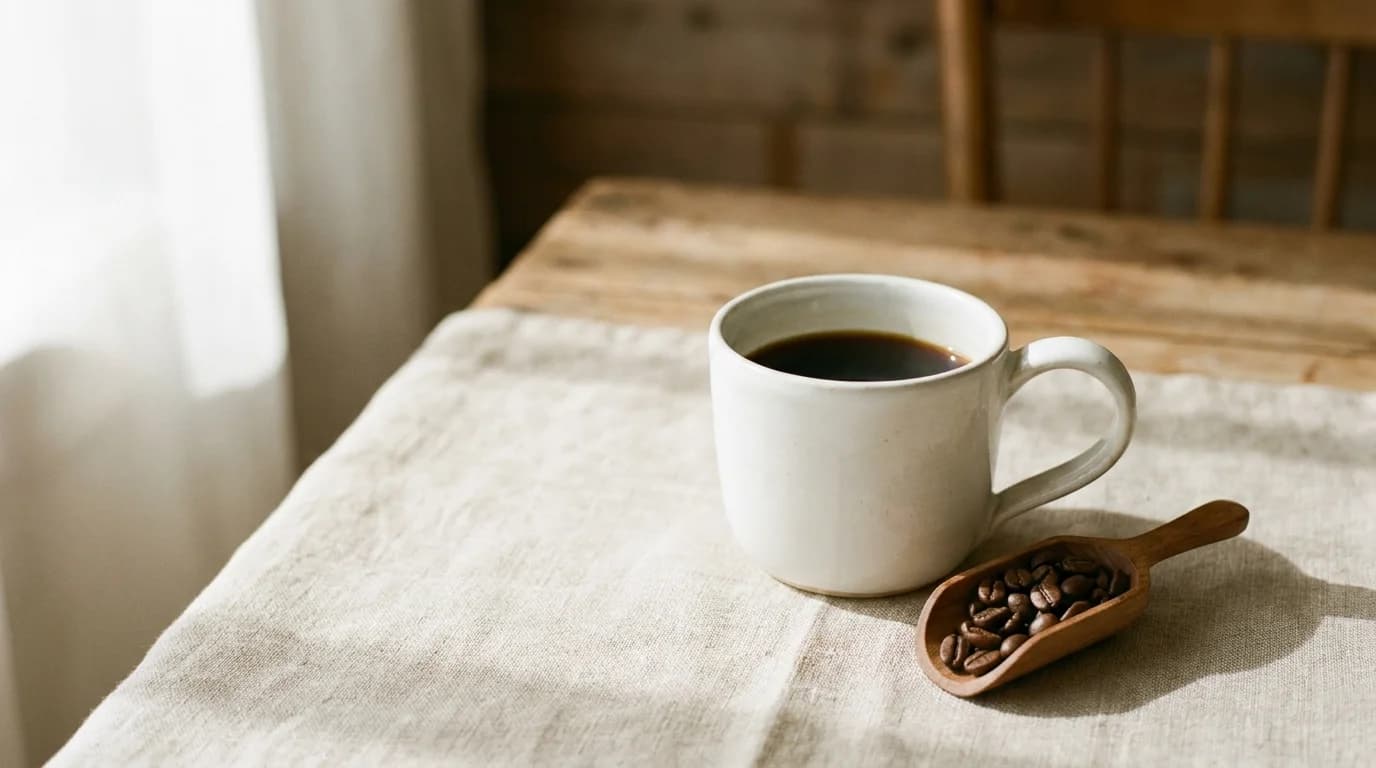
Decaf has a reputation for being flat, papery, and second-rate. Some of it is true, and some of it is a decade out of date. The best modern decafs — especially specialty single-origin decafs processed with Swiss Water or the CO2 method — are close to indistinguishable from their caffeinated versions. Getting there means paying attention to the decaffeination method, not just the bean.
≥97%
minimum caffeine removal for coffee to be labeled decaffeinated under FDA rules[2]
2–15 mg
typical residual caffeine in an 8 oz cup of decaf, versus 80–100 mg for regular brewed coffee[1]
4 methods
Swiss Water, supercritical CO2, methylene chloride, and ethyl acetate account for essentially all commercial decaffeination[4]
Why the decaf method matters more for decaf than for regular coffee
For regular coffee, the roaster and the bean are the dominant quality levers. The green-bean handling step is short and identical whether you plan to roast light or dark. Decaf is different: every decaf bean has passed through a chemistry-adjacent process that adds several hours of soaking, extraction, drying, and re-drying to the bean before the roaster ever sees it. That process can either be gentle on flavor compounds or hard on them[4].
The result is that decaf method acts as a second bean-quality filter. A brilliant single-origin arabica processed badly comes out as mediocre decaf; a middling commodity lot processed well can come out surprisingly clean.
The four decaffeination methods
Every decaf on the shelf uses one of four processes. Each has its own brand ecosystem.
Swiss Water Process (indirect water)
Developed in Switzerland in the 1930s and industrialized by a Canadian company in Vancouver, the Swiss Water Process uses only water and activated charcoal. Green beans are soaked in hot water, which extracts both caffeine and flavor compounds. The water is passed through activated charcoal that binds caffeine but not flavor. The filtered water — now saturated with coffee flavor compounds but free of caffeine — is used to soak the next batch of beans, which lose their caffeine but retain most of their flavor, since the water already has all the flavor compounds it can hold[5].
The upside: no chemical solvents whatsoever, and flavor retention is generally very good. Swiss Water is the dominant method for organic and specialty decaf. The downside: batch time is long, and the process cost is passed through to the finished bean price.
Supercritical CO2
Green beans are exposed to carbon dioxide held at high pressure and temperature, where CO2 behaves as a solvent that selectively dissolves caffeine. The caffeine-laden CO2 is then passed through activated carbon or water, releasing the caffeine so the CO2 can be recycled. No residual solvent concerns. Common in large-batch commercial decaf where flavor retention matters — Kaffee HAG's historic CR3 process uses supercritical CO2[6].
Ethyl acetate (EA)
A solvent method. Ethyl acetate occurs naturally in some fruits, and industrial EA can be derived from sugar cane fermentation — where it's marketed as "natural EA" or "sugar-cane decaf." The synthetic version is chemically identical and equally food-safe. Common in Colombian decaf because Colombia has significant sugar-cane EA production capacity.
Methylene chloride (MC)
The oldest solvent method. Beans are washed with methylene chloride to dissolve caffeine, then thoroughly washed. FDA-permitted for decaffeination with a residue limit of 10 ppm, well below any level of health concern. Common in Europe and in some mainstream US supermarket decafs. Some consumers avoid MC on principle; regulatory bodies consistently affirm its safety at food-grade residues[4].
Best Swiss Water Process brands
Swiss Water dominates the "specialty decaf" category. If you see the Swiss Water logo on a bag, it means the specific decaffeination step was contracted to the Swiss Water facility in Delta, BC[5].
Mount Hagen Decaf — freeze-dried instant, organic, Swiss Water processed. Widely available in both jars and single-serve packets. One of the best mid-tier decafs you can buy, especially if you want decaf instant rather than whole bean.
Kicking Horse Decaf — the Canadian roaster's Swiss Water decaffeinated dark roast, from certified organic beans. Whole bean, widely distributed in North American supermarkets[7].
Peet's House Blend Decaf — the classic dark-roasted decaf from Peet's. Uses water-process decaffeination. Available whole bean, ground, and pre-portioned pods.
Counter Culture Slow Motion — Counter Culture's flagship decaf, Swiss Water processed, rotates through different origins. Priced at specialty levels.
Onyx Coffee Lab Southern Weather — Onyx's decaf offering, typically Swiss Water processed. Traceable single-origin, at specialty prices.
 Swiss Water decaf, whole beanKicking Horse Coffee, Decaf, Swiss Water Process, Dark Roast, Whole Bean, 10 Oz - Certified Organic, Fairtrade, Kosher CoffeeA Canadian roaster whose decaf line has used the Swiss Water process long enough to be the default recommendation in the category. Dark roast, which matters more than usual in decaf: the process strips some of the compounds that carry aroma, and a darker roast puts body back.amazon.com $14.99 USDamazon.ca $25.99 CADPrice and availability as of View on Amazon
 Swiss Water decaf, organic, groundLifeboost Decaf Ground Coffee, Swiss Water Process Low Acid Organic, 12oz | Fair Trade, Non-GMO, Single Origin, Third Party Tested for Mycotoxins, Mold & Pesticides, Stomach FriendlySold on both storefronts, which is rarer in decaf than it sounds and is why it is here. Note that the label also carries a low-acid claim: that is the roaster's wording, not a measurement we have checked, and roast level moves perceived acidity more than sourcing usually does.amazon.com $28.99 USDamazon.ca $32.95 CADPrice and availability as of View on Amazon
Product prices and availability are accurate as of the date/time indicated and are subject to change. Any price and availability information displayed on Amazon at the time of purchase will apply to the purchase of this product. Certain content that appears on this site comes from Amazon. This content is provided ‘as is’ and is subject to change or removal at any time.
How the process actually works, and how to read a bag that claims it, is in Swiss Water process decaf.
Best CO2 and sugar-cane / ethyl acetate brands
Kaffee HAG — the original decaf brand, founded by Ludwig Roselius in 1906. Sold in Germany and much of Europe, HAG's industrial-scale decaf uses supercritical CO2[6]. A mainstream mass-market product with a serious pedigree.
Café Don Pablo Colombian Decaf — often uses sugar-cane ethyl acetate ("natural EA") processed in Colombia. Well-regarded supermarket-priced decaf that tastes brighter than most mass-market options.
Descafeinado brands from Colombia — many Colombian roasters use in-country sugar-cane EA and disclose it as "descafeinado con caña de azúcar." Includes some import-brand decafs sold in North American specialty grocers.
Blue Bottle Night Light — Blue Bottle's decaf, historically processed by methylene chloride and more recently by other methods depending on lot. Traceable specialty decaf worth trying if you're in a Blue Bottle market.
Best supermarket / mainstream decafs
Not every decaf drinker wants to pay specialty prices. The mid-tier mainstream decafs have improved considerably.
Nescafé Gold Decaf — freeze-dried, arabica blend, uses water decaffeination in most markets. A solid instant decaf at supermarket prices.
Folgers Decaf Classic — the workhorse spray-dried instant decaf. Uses methylene chloride in most production runs. Not exciting but consistent and cheap.
Maxwell House Decaf — similar profile to Folgers.
Starbucks Decaf Pike Place — sold whole bean and ground. Historically decaffeinated by methylene chloride; more recent lots use varying methods.
Peet's Major Dickason's Decaf — Peet's flagship dark roast in decaffeinated form. Water-process, whole bean, widely available.
Best specialty single-origin decafs
The specialty tier is where decaf has changed most dramatically over the last decade. Small roasters can now source excellent green coffee, contract decaffeination through Swiss Water or a similar gentle process, and produce decaf that competes with their caffeinated line.
Look for:
- Named origin on the bag (single farm, cooperative, or region), not just "decaf blend."
- Named process disclosed on the label — SWP, EA, CO2, or MC.
- Recent roast date. Decaf is more sensitive to roast staleness than caffeinated coffee; buy in small bags you'll finish in three to four weeks.
- A roaster you already trust for their caffeinated line. A roaster serious about their whole-bean specialty coffee will not release a bad decaf.
Roasters that have been consistently well-reviewed for their decaf offerings include Counter Culture (Slow Motion), Onyx (Southern Weather), Blue Bottle (Night Light), Intelligentsia (varies by season), Verve, Tandem, Ceremony, and Ruby Coffee Roasters. Specific lots change frequently.
Decaf and low acid are separate properties that get sold together, and several brands here market both. Which coffees are genuinely lower in acid, and why most of the effect is roast rather than sourcing, is in low acid coffee.
The cost premium
Decaf typically costs 10-30% more than the same roaster's caffeinated coffee. The premium reflects three things:
- The decaffeination step itself. Swiss Water in particular is time-intensive and adds real cost per pound.
- Green coffee sourcing. Some origins have limited decaf contracts, which raises prices for specialty decaf lots.
- Market size. Decaf is a smaller share of total coffee sales, which limits scale economies.
At the mainstream supermarket tier, decaf and regular are usually priced identically or within a few cents — the giant processors absorb the cost. At the specialty tier, the premium is more visible because smaller batches don't amortize as well.
Taste comparison: honest expectations
The best modern specialty decafs are close to indistinguishable from their caffeinated versions in blind cuppings. That said, most decafs you encounter — even good ones — will have subtle differences:
- Slightly less brightness / acidity because some of the chlorogenic acids are altered during decaffeination[4].
- Slightly muted aroma complexity because the aromatic volatile compounds[9] are more fragile during decaf processing steps.
- A slightly rounder, softer body in some water-process decafs because the extraction step slightly reshapes the bean's cellular structure.
None of these are dealbreakers. In a well-executed decaf, they're subtle enough that only side-by-side comparison with the caffeinated version makes them obvious. In a poorly-executed decaf — which usually means an old bean or a rushed process — the differences compound into a flat, papery cup.
Decaf instant coffee specifically
Freeze-dried instant decaf is one of the most under-rated categories in coffee. Mount Hagen decaf instant, Nescafé Gold decaf, and Waka decaf single-serve packets are all genuinely good cups. If you drink decaf mainly for the ritual and don't want to invest in a grinder or brewer, a good freeze-dried instant is the right answer.
See best instant coffee brands for the general instant coffee guide, and decaf coffee benefits and risks for the health and safety picture.
Half-caff as a middle ground
If you're cutting caffeine but not all the way, blended half-caff coffees give you about half the caffeine of regular with most of the flavor. See half-caff coffee for the full guide.
Most of the bags above are sold whole bean, which makes a grinder the next decision rather than an optional one — stale pre-ground decaf tastes worse than fresh decaf by a wider margin than most people expect. The tiers are set out in which coffee grinder to buy.
The honest summary
The best decaf coffee comes down to two things: a bean worth decaffeinating, and a decaffeination process that treats it gently. Swiss Water and CO2 processes have the best reputation for flavor retention, but any modern method — including methylene chloride and ethyl acetate — is food-safe and can produce good coffee in skilled hands. If you want the safest bet with the least thinking, Mount Hagen (organic freeze-dried instant), Kicking Horse Decaf (whole bean), and Peet's House Blend Decaf are consistent picks. If you want to explore the ceiling, specialty single-origin decafs from Counter Culture, Onyx, and Blue Bottle show how good decaf can be when the whole chain — bean, process, roast — is dialed in.
Frequently asked questions
- What is the best decaf coffee brand overall?
- There is no single answer, but for widely available Swiss Water Process decaf, Mount Hagen (organic freeze-dried instant), Kicking Horse Decaf (whole bean), and Peet's House Blend Decaf are consistent, well-regarded picks. For specialty tier, Counter Culture Slow Motion, Onyx Decaf, and Blue Bottle Night Light release traceable single-origin decafs at prices comparable to caffeinated specialty coffee.
- Is Swiss Water Process actually better than chemical decaffeination?
- Not necessarily for safety — FDA-approved chemical methods (methylene chloride, ethyl acetate) leave residues well below any health-concern threshold. The advantage of Swiss Water and CO2 processes is that they avoid solvent involvement entirely and, in some blind tastings, better preserve certain flavor compounds. It is a preference and marketing story more than a safety one.
- How much more does decaf cost than regular coffee?
- Typically 10-30% more, sometimes higher for specialty single-origin decafs. The extra cost reflects the decaffeination step itself — Swiss Water is a batch process that adds significant time — plus the smaller market for decaf, which limits the scale economies available to producers.
- Does decaf coffee still have any caffeine?
- Yes — typically 2 to 15 mg per 8 oz cup, versus 80 to 100 mg for regular brewed coffee. FDA-defined decaffeinated coffee has at least 97 percent of the caffeine removed. This is low enough to be irrelevant for almost everyone, but people on strict caffeine restriction should know it is not zero.
- What is the difference between Swiss Water and ethyl acetate decaf?
- Swiss Water uses only water and activated charcoal — the beans are soaked, and the water is filtered through charcoal that binds caffeine but not flavor compounds. Ethyl acetate is a solvent, either synthetic or derived from sugar cane (marketed as 'natural EA' or 'sugar-cane decaf'). Both leave finished coffee well within food safety limits; both can produce excellent decaf at specialty quality.
References
Every factual claim in this article is drawn from the sources below. See the source library for how we grade evidence.
- [1]Caffeine Content of Decaffeinated CoffeeJournal of Analytical Toxicology · 2006 · Observational study · Tier 2 · Moderate
- [2]Spilling the Beans: How Much Caffeine Is Too Much?U.S. Food and Drug Administration · 2024 · Agency guidance · Tier 1 · Strong
- [3]Caffeine in foodsHealth Canada · 2022 · Agency guidance · Tier 1 · Strong
- [4]Decaffeination processes and their impact on coffee quality: a reviewComprehensive Reviews in Food Science and Food Safety · 2023 · Review · Tier 2 · Moderate
- [5]The Swiss Water Process — Chemical-Free DecaffeinationSwiss Water Decaffeinated Coffee Company · 2024 · Reference work · Tier 3 · Contextual
- [6]Kaffee HAG — History of Decaffeinated CoffeeEncyclopaedia Britannica · 2023 · Reference work · Tier 3 · Contextual
- [7]Kicking Horse Coffee — About Our CoffeeKicking Horse Coffee · 2024 · Reference work · Tier 3 · Contextual
- [8]CoffeeEncyclopaedia Britannica · Reference work · Tier 3 · Contextual
- [9]Coffee volatile compounds and roast markersPMC / NIH · 2016 · Review · Tier 2 · Moderate
Related reading
- Instant & Decaf CoffeeDecaf Coffee: Benefits and Risks→
- Instant & Decaf CoffeeSwiss Water Decaf: How Chemical-Free Decaf Works→
- Instant & Decaf CoffeeHalf-Caff Coffee: What It Is and Why It Works→
- Instant & Decaf CoffeeThe Best Instant Coffee Brands→
- Coffee EquipmentHow Much to Spend on a Coffee Grinder→
- Instant & Decaf CoffeeThe History of Nescafé: How Nestlé Invented Instant Coffee→